

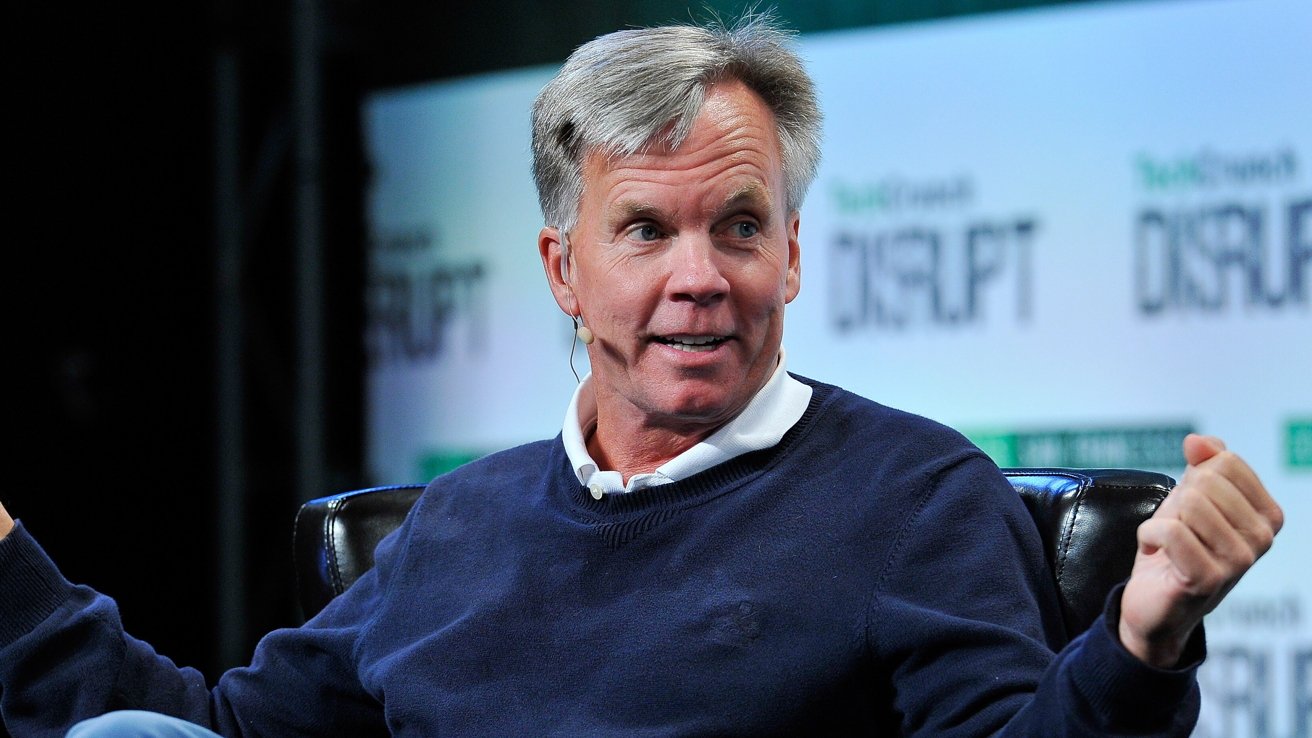
Ron Johnson’s partnership with Steve Jobs was one of dynamic synergy, where innovation met a relentless drive for excellence. When Johnson joined Apple in 2000, the company was at a crossroads, struggling to carve out its place in the retail world. With Steve Jobs at the helm, known for his visionary capabilities and exacting standards, the duo embarked on a journey to redefine what a retail experience could be.
Johnson, tasked with establishing Apple’s retail presence, brought a fresh perspective on how technology should be showcased to the public. He envisioned Apple Retail as more than just a place to buy products—it was to be an experiential hub where customers could directly engage with the brand. This vision aligned perfectly with Jobs’s philosophy of user-centric innovation.
The creation of the Apple Store concept was nothing short of revolutionary. Johnson proposed an open layout design that invited curiosity, encouraging customers to interact with and explore Apple products in an immersive environment. This was a radical shift from the traditional retail models of the time, which typically focused on a transactional relationship with customers rather than an experiential one.
Central to this concept was the introduction of the Genius Bar, a cornerstone of Johnson’s strategy to provide expert technical support and personalized assistance. This initiative not only enhanced customer service but also created a community feel within the stores, fostering a deeper connection between Apple and its customers.
Despite early skepticism, including Steve Jobs’s initial aversion to retail locations in malls, Johnson persisted. His perseverance and ability to collaborate effectively with Jobs led to the opening of the first Apple Store in Tysons Corner, Virginia, in 2001. This store epitomized the harmony of Johnson’s retail insights and Jobs’s passion for innovation, laying the groundwork for what would become a global retail phenomenon.
The success of their partnership lay in a shared vision and mutual respect. Even when faced with differing opinions—like Jobs’s dislike for columns in stores—Johnson learned to navigate these challenges, valuing Jobs’s input while gently persuading him when his retail experience dictated otherwise. Through collaboration and mutual trust, Johnson and Jobs cultivated an environment where groundbreaking ideas were not only encouraged but realized, enhancing the Apple brand and transforming the retail sector.
The Apple Store concept didn’t just redefine the physical spaces where Apple products were sold; it fundamentally altered the consumer’s relationship with the brand. This transformation began with a clear emphasis on customer experience, a priority that Ron Johnson fervently championed alongside Steve Jobs. They created an environment where consumers did not merely purchase gadgets—they entered into a new realm of discovery and learning.
Every detail was meticulously considered to elevate the buyer experience. The stores were designed to be bright, open, and inviting, dispelling the cramped and impersonal atmosphere prevalent in electronics retailing at the time. The innovative open layout not only encouraged exploration but also symbolized transparency, making technology accessible to everyone. Customers were not met with rows of boxed products; instead, they could freely interact with devices, gaining hands-on experience before making a purchase—an approach that instilled confidence and inspired creativity.
A pivotal aspect of the Apple Store’s success was the introduction of the Genius Bar. This revolutionary service offered not just technical support but also personalized guidance and education, creating a service-oriented retail space. The Genius Bar was not simply a place to fix problems; it was an opportunity for Apple to engage with its customers on a personal level, addressing individual needs and fostering a deeper loyalty to the brand. This commitment to outstanding service turned tech support into a vital part of the customer journey, setting new standards for the industry.
The Apple Store quickly became more than just a shop; it was a community hub that invited customers to participate in workshops, receive personalized help, and engage with other Apple enthusiasts. This sense of community was bolstered by the knowledgeable and passionate staff, who were trained not just to sell, but to educate and excite customers about what they could achieve with their Apple products. The staff’s role as enthusiastic facilitators of customer learning became a cornerstone of the Apple Store’s identity.
From the beginning, the stores were strategically positioned to maximize brand visibility and resonance with a broad demographic. Instead of being tucked away in obscure locations, many Apple Stores were established in high-traffic areas worldwide, becoming iconic landmarks. Each location reflected a balance between aesthetics and function, seamlessly blending with its surroundings while standing out as a beacon of technological innovation.
The impact of the Apple Store concept was seismic, both for the company and the retail industry. Not only did it significantly boost Apple’s brand prestige and financial performance, but it also set new benchmarks for customer service and engagement that competitors have since strived to emulate. Through the seamless integration of technology, education, and culture, the Apple Store became synonymous with a premium user experience, reshaping expectations for technology retail and encouraging a consumer-centric approach that continues to influence the industry today.
Amid the overwhelming success of the Apple Store concept, Ron Johnson and Steve Jobs were not without their fair share of challenges. Navigating these obstacles required a blend of creativity, persistence, and strategic thinking to ensure Apple’s vision was realized without compromising the innovative spirit that had become synonymous with the brand. Each difficulty encountered was met with a solution-oriented mindset that ultimately reinforced their commitment to transforming the retail landscape.
Johnson, with his retail expertise, often had to balance visionary ideas with practical execution. One of the early challenges was convincing skeptics within the company, including Steve Jobs, of the value of certain retail strategies. For instance, the choice to open stores in malls was initially met with resistance. Jobs’s disdain for traditional mall environments prompted a reevaluation of store locations, yet Johnson’s insistence on high-traffic areas was vital to embedding the Apple Store in public consciousness. This persistence showcased Johnson’s ability to navigate executive pushback while maintaining the core elements of his retail strategy.
Another significant challenge was the scalability of the Apple Store model. As the brand expanded internationally, maintaining a consistent customer experience across cultures and regions required adaptable strategies. Johnson led efforts to tailor store designs and services to fit local markets, ensuring that each location met the high standards Apple had set while still resonating with local consumer behaviors and preferences. This included customizing the aesthetic elements and even the product offerings, ensuring that every Apple Store felt personalized yet unmistakably Apple.
One key to overcoming such challenges was the culture established within Apple’s retail team. Under Johnson’s leadership, employees were empowered to think creatively and contribute ideas. This culture of openness and innovation extended from the top down, allowing for rapid problem-solving and continuous improvement. The staff were seen not just as salespeople, but as ambassadors of the Apple experience, equipped to make decisions that enhanced customer satisfaction and loyalty.
Additionally, during the opening phase of the first stores, there were logistical and technical hurdles to clear. Introducing the Genius Bar across locations demanded robust staff training programs and an infrastructure that could support growing technical support needs. Overcoming these challenges involved not only internal resources but also partnerships with external experts to refine the customer service paradigm that was the hallmark of the Apple retail experience.
The journey was not without moments of tension. Johnson and Jobs frequently clashed over store designs and the fine details of execution. However, these disputes were never detrimental; instead, they reflected a dynamic tension that spurred greater innovation. Johnson often credited these debates as crucial to refining ideas and pushing the boundaries of what was possible in a retail context.
Each success story was underscored by the lessons learned from these challenges. Innovation in retail required not just visionary thinking but also the ability to adapt, iterate, and refine ideas in real-time. This adaptability ensured that Apple Stores not only survived initial skepticism but thrived, evolving into the cultural and commercial beacons they are today. These experiences reinforced Apple’s standing as a leader in the tech industry, demonstrating that with the right strategy and leadership, even the seemingly insurmountable challenges could be transformed into opportunities for growth and achievement.
Ron Johnson’s departure from Apple in 2011 marked the end of a transformative era for the company’s retail strategy. His decision to leave came at a crucial juncture, as Apple was undergoing rapid growth and facing new challenges. Johnson’s role as the pioneer of Apple Retail had solidified the company’s presence in the consumer electronics sector, making his exit a significant turning point.
Johnson’s move to J.C. Penney as CEO was driven by his passion for retail and a desire to bring his innovative strategies to another iconic brand. While the transition garnered mixed reactions, it reflected his commitment to reshaping retail environments beyond Apple. Johnson aimed to harness his unique vision—one that had revolutionized how technology was sold—and apply it to broader retail contexts. However, the differences in company culture and market expectations proved to be formidable obstacles, highlighting how the strategies that soared at Apple did not translate as seamlessly elsewhere.
Despite the challenges faced at J.C. Penney, Johnson’s legacy at Apple remains unblemished. The principles and practices he established continue to serve as a blueprint not only for Apple but for the retail industry as a whole. His emphasis on customer experience, innovative store design, and a knowledgeable workforce have become benchmarks that other tech companies and retailers strive to achieve. The Genius Bar, his brainchild, is now a standard for exceptional in-store customer service, demonstrating the lasting impact of his ideas.
After his stint at J.C. Penney, Johnson returned to the startup scene, applying his expertise to new ventures that focus on blending technology with consumer experiences. His ventures, including Enjoy, a company focused on personalized shopping experiences, showcase his ongoing dedication to transforming retail through innovative solutions. Johnson continually seeks to explore the boundaries of customer engagement, ensuring the lessons learned at Apple inform and inspire his future endeavors.
The legacy of Ron Johnson is not just confined to the brick-and-mortar Apple Stores; it extends to the very essence of how brands interact with consumers. He was instrumental in elevating retail environments from mere points of sale to experiential hubs that foster brand loyalty and customer engagement. This paradigm shift, born out of his collaboration with Steve Jobs, continues to influence retail strategies across industries.
As Apple pushes forward into new territories with its stores, Johnson’s foundational work remains a guiding influence. Apple’s retail strategy continues to evolve, branching into services and integrating technology in groundbreaking ways, yet the core elements of customer-centric innovation remain steadfast. Current and future retail leaders look to Johnson’s tenure as a masterclass in retail transformation, demonstrating the power of vision, collaboration, and unwavering commitment to the consumer. For related coverage, see our Plex price hike prompts user re-evaluation.
