

June 6, 2011, marks a day many Apple enthusiasts hold dear, as it wasn’t just another developer conference. It was a moment of history being etched in the annals of technology. Steve Jobs, the visionary behind Apple’s triumphant renaissance, took the stage at WWDC for what would ultimately become his final keynote presentation. This significant event encapsulated not just technological advancement but also the essence of an era pioneered by a man whose ideas transcended conventional boundaries.
The atmosphere at the Moscone West was electric, charged with anticipation and an undercurrent of reverence. Attendees knew they were not just witnessing the launch of new products; they were experiencing the magic of Steve Jobs’ presence, an embodiment of innovation and passion. Despite his visibly frail health, Jobs’ charisma shone unfalteringly. His every word resonated, propelling the audience into a future he envisioned—a future where technology effortlessly integrated into the fabric of everyday life.
As applause filled the cavernous hall, Jobs focused not on his personal struggles but on the promise of technology. “We’ve got an awesome morning planned for you today,” he began, seamlessly transitioning the audience’s attention from the fleeting nature of live events to the timeless allure of innovation. Jobs was ready to unravel the next chapter in Apple’s journey, introducing the world to what he believed were groundbreaking ideas.
Central to this milestone was the unveiling of iCloud, delineating a pivotal shift towards cloud-based synchronization and storage. It was more than just a service; it was Jobs’ vision of a seamless technological ecosystem. This was the moment where devices could transcend physical boundaries, effortlessly exchanging information—a vision that would set yet another industry standard, reflective of Jobs’ forward-thinking philosophy.
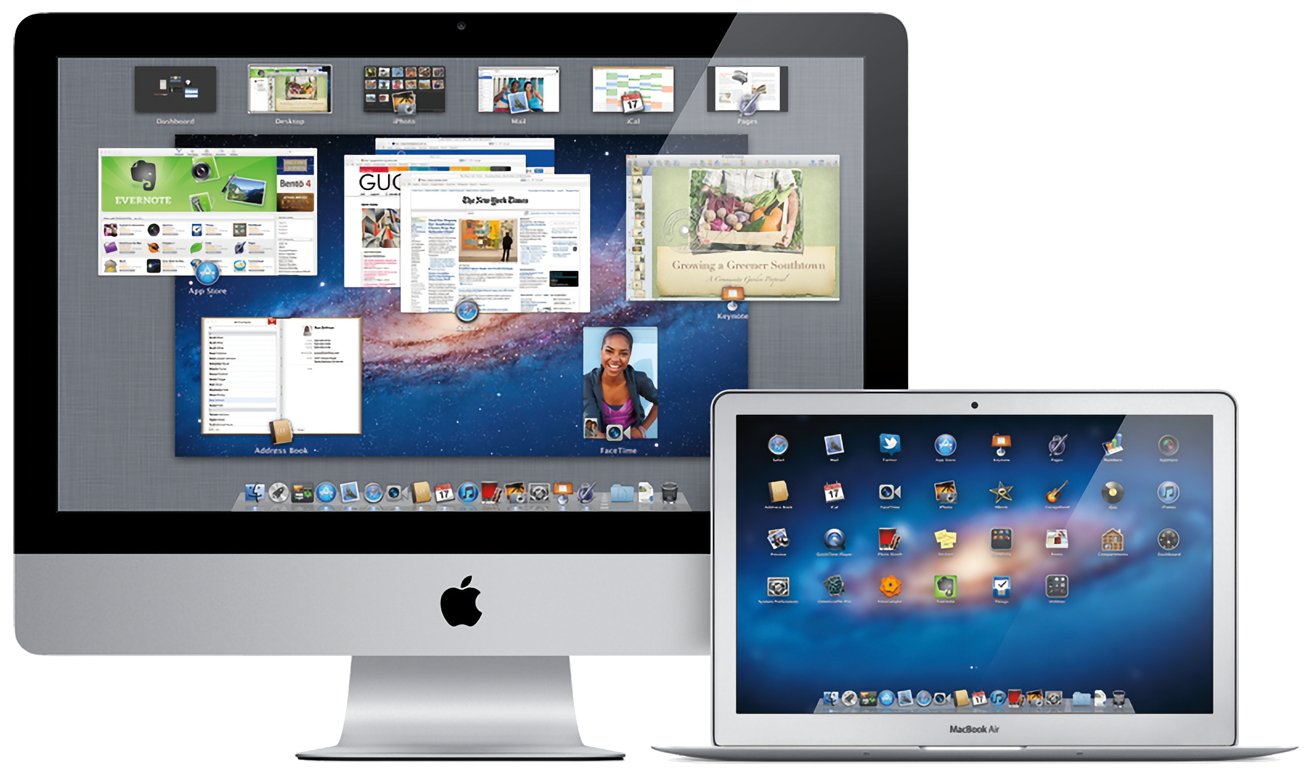
This keynote wasn’t merely a presentation; it was a masterclass in envisioning the future. Jobs shared his insights on the integral role of software, dubbing it the ‘soul’ of Apple products. The evolution of iOS, Mac OS X Lion’s introduction, and the promise of a future where technology enabled limitless possibilities were hallmarks of this address.
Steve Jobs’ final keynote remains a poignant reminder of his ability to inspire and innovate. It was a chapter that closed too soon yet left a legacy that continues to propel Apple forward. While the technology world may have lost a visionary, the spirit he infused into his creations persists, guiding Apple’s trajectory and inspiring countless minds to think differently.
In this landmark keynote, Steve Jobs introduced the world to iCloud—a service poised to redefine how users managed and synchronized their digital lives. Standing on the stage with an air of understated confidence, Jobs described iCloud as an innovative leap in cloud computing. This new service aimed to seamlessly connect all Apple devices, allowing information to flow effortlessly between them. For users, this meant no more tethering to a computer for syncing; instead, a world where photos, documents, music, and more could be accessed anytime, anywhere, was unveiled.
Jobs’ announcement of iCloud marked a pivotal moment, not just for Apple but for the entire tech industry. Prior attempts, such as MobileMe, had struggled to meet expectations, but Jobs acknowledged past failures openly, promising a more robust and intuitive solution with iCloud. His vision was clear: technology should simplify, not complicate. This mantra was embodied in his assertion that “it just works,” a phrase that would resonate with Apple users for years to come.
As the layers of iCloud were revealed, the audience grasped the transformative power of cloud technology in everyday user experience. The service promised instant updates across devices without the need for manual intervention. It was the manifestation of Jobs’ belief that technology should serve as an invisible bridge connecting users seamlessly to their content. The shift was more than technical—it was philosophical, challenging competitors to rethink their approach to user-centric design.
Through iCloud, Jobs showcased his unwavering commitment to innovation and excellence. Beyond the technical specifics, it was his ability to envision a future intertwined with technology that left an indelible mark. He wasn’t simply introducing a product; he was laying down the blueprint for a digital ecosystem that would outlast his tenure, setting Apple on a trajectory of continued growth and influence.
This moment at WWDC 2011 encapsulated Jobs’ larger mission: to create a harmonious environment where technology felt intuitive and almost second nature. As the audience digested the full scope of the iCloud presentation, they were witnessing the future unfold—one where technology integrated seamlessly into their lives, echoing Jobs’ legacy of thought leadership and unwavering drive towards perfection.
Steve Jobs’ influence on Apple is omnipresent, even over a decade since his passing. His legacy is not only in the products and technologies he introduced but in the very DNA of Apple’s culture. His relentless pursuit of perfection and innovation set a standard that continues to steer Apple’s strategic decisions and product development.
Jobs’ design philosophy, emphasizing simplicity and elegance, remains a core tenet of Apple’s ethos. His belief that technology should be intuitive and accessible is reflected in every product Apple releases. From the seamless integration of hardware and software to the minimalist design language that has become synonymous with Apple, Jobs’ aesthetic and functional sensibility shapes the company’s ongoing journey.
The impact of Jobs’ vision transcends product releases. He established a workplace culture focused on creativity, excellence, and pushing the boundaries of what technology can do. This has fostered a spirit of innovation that continues to permeate through Apple’s workforce, encouraging teams to explore new ideas and challenge existing norms. It is this cultural bedrock that has allowed Apple to maintain its position as a leader and pioneer in the tech industry, continually launching cutting-edge products like the Apple Watch and the M1 chip.
Moreover, Jobs’ influence extends into Apple’s strategic foresight in anticipating consumer needs and industry shifts. It was his foresight that led to the development of products like the iPhone and the iPad, devices that redefined their respective markets. This same forward-thinking mindset is evident in Apple’s recent ventures into augmented reality, artificial intelligence, and other frontier technologies as they prepare for the next waves of innovation.
The cultural and technological footprints Jobs left behind ensure that Apple not only remembers its roots but also remains future-focused. His legacy is celebrated in Apple’s continued dedication to delivering revolutionary products that change how people interact with the world. Through this enduring influence, Steve Jobs shaped Apple into an enduring symbol of innovation and excellence, inspiring generations of creators and entrepreneurs to think differently and dream bigger.
As we pause to commemorate the legacy of Steve Jobs, we reflect on the indelible mark he left not just on Apple, but on the entire technology sector. Fifteen years since his final keynote at WWDC, his vision and influence remain palpable, guiding both the company he co-founded and the broader tech landscape.
As Apple continues to evolve, introducing groundbreaking technologies and redefining consumer expectations, it’s crucial to acknowledge the foundation that Jobs built. His ethos of innovation, relentless pursuit of excellence, and ability to foresee and shape the future remains a guiding light for Apple. For many fans and employees alike, Jobs was more than a leader; he was a catalyst for a way of thinking that championed the impossible and turned it into reality.
Jobs’ story resonates with a sense of unyielding drive and passion, qualities that are often recounted by those who worked with him. His approach to leadership emphasized hands-on involvement, a commitment to quality, and an understanding of design that fused aesthetics with user experience, creating products that seemed to emerge from the future itself. Even today, Apple’s campus in Cupertino stands as a testament to his visionary ambition—an architectural symbol of his insistence on perfection and his eye for detail.
Remembering Steve Jobs is as much about celebrating innovation as it is about honoring a man whose genius reshaped multiple industries. His story is an inspiring reminder that even the loftiest dreams can be realized with enough dedication and vision. Reflecting on his contributions allows us to appreciate not only the technological marvels in our daily lives but also the spirit of creativity and courage that drives meaningful change.
In a world that sometimes grapples with the swift pace of technological advancement, Jobs’ legacy encourages us to embrace change, to venture into the unknown, and to believe in the power of visionary ideas. This anniversary invites reflection and gratitude for a man who dared to change the world, leaving a legacy that continues to inspire innovation and foster the relentless pursuit of a better future. For related coverage, see our Apple’s transformative updates in iOS 27 and macOS 27. For related coverage, see our Decisive leadership and the legacy of Steve Jobs.
