

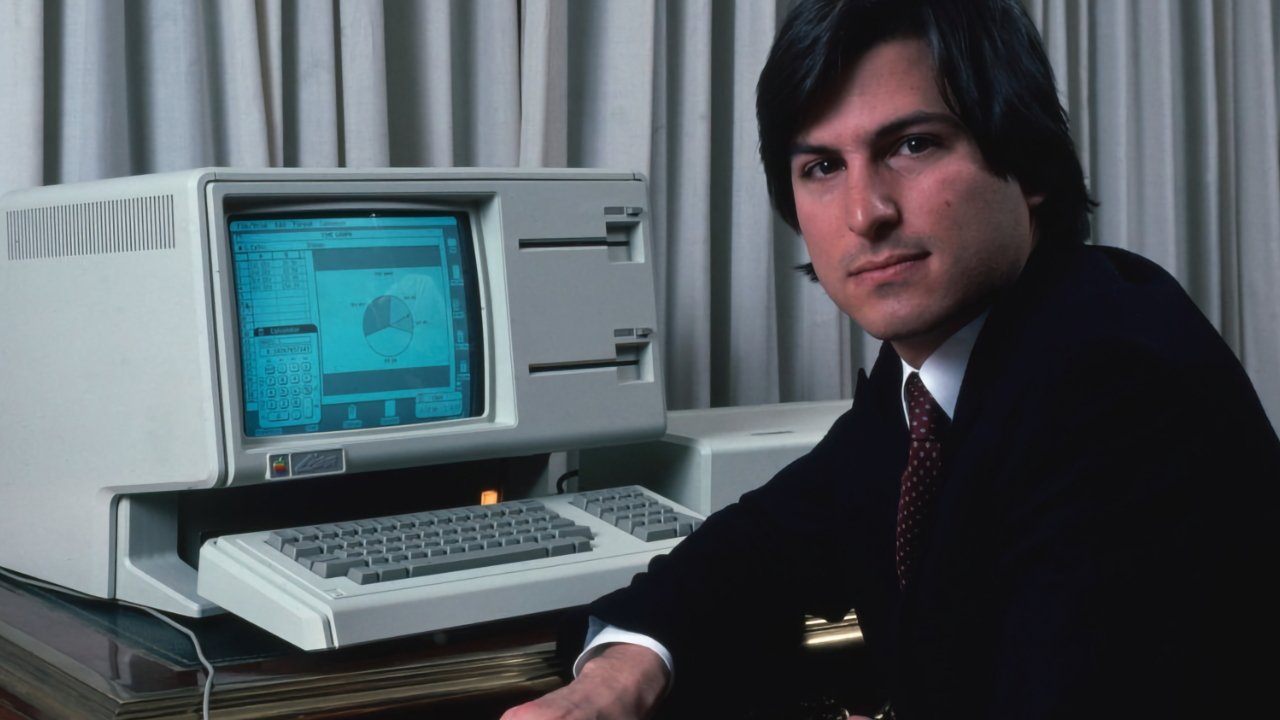
In the realm of advertising, few spots have left an imprint as profound as Apple’s “1984” commercial. This wasn’t just any ad; it was a daring proclamation, a powerful vision of a future where technology facilitates personal liberation rather than conformity. Released during the prestigious Super Bowl XVIII, it cleverly capitalized on its platform to introduce the Macintosh—a computer that promised to change the landscape of personal computing.
The advertisement drew inspiration from George Orwell’s seminal novel “1984”, borrowing motifs of dystopia and surveillance to craft a narrative that resonated deeply with audiences. The imagery was striking: a heroine, vibrant and full of vigor, hurls a sledgehammer at an omnipotent Big Brother figure, shattering the screen and, symbolically, the bonds of homogeneity. Through this metaphor, Apple positioned itself as the avant-garde contender ready to challenge the status quo upheld by tech behemoths like IBM.
People who watched the ad were not mere passive onlookers; they became part of a movement that celebrated innovation and individual freedom. The effectiveness of the ad lay in its narrative power—the ability to tell a story that stirred emotions and prompted discussions. It was more than just a product announcement; it was a call to arms for those yearning for change in an era dominated by monotonous conformity.
This approach was a breath of fresh air in the advertising world, one that would set a benchmark for all future campaigns. By daring to be different and embracing the unconventional, Apple’s “1984” ad transformed the commercial playing field, setting a precedent for narrative-driven, emotionally resonant advertising that would inspire countless imitations in the years to come.
Internally, the road to approving the “1984” ad was fraught with intense debate and uncertainty. Apple was at a crossroads, and the decision to air such a bold advertisement was not taken lightly. The company’s internal culture, known for fostering innovation, was also one of meticulous scrutiny when it came to taking risks that could potentially impact the brand’s reputation and financial stability.
The core of the contention lay in the ad’s avant-garde approach, which hinged on a narrative that diverged sharply from traditional advertising norms. To some of Apple’s executives, this was a double-edged sword, one that could either resonate profoundly or fall flat, alienating mainstream audiences. The concern was not unfounded; the ad was abstract, and its direct connection to the Macintosh was not immediately apparent. Some board members feared that its boldness might eclipse the message about the product itself, leaving potential customers bewildered.
This internal apprehension was compounded by financial considerations. The “1984” ad represented a significant monetary gamble. With production costs soaring and Super Bowl airtime prices at a premium, the stakes were incredibly high. Apple couldn’t afford a misstep as it was navigating a fiercely competitive tech landscape against industry giants like IBM. A misfire could have detrimental repercussions on Apple’s position and the Mac’s launch.
As debates raged on within Apple’s boardrooms, the marketing team, under the leadership of executives like William V. Campbell and E. Floyd Kvamme, advocated fiercely for the campaign. They envisioned the ad as a revolutionary move that could cement Apple’s image as a trailblazer and disruptor in the tech industry. Despite the hesitations from some corners, these advocates believed that the ad could cut through the noise and elevate the Macintosh from just a product to a symbol of rebellion against mediocrity and oppression.
Ultimately, the decision to proceed was emblematic of Apple’s ethos: a commitment to innovation and a willingness to embrace calculated risks in pursuit of visionary goals. The internal struggle to approve the “1984” ad reflects the company’s broader philosophy of challenging norms—an ethos that has propelled Apple to create not just products, but cultural phenomena.
Steve Jobs was undeniably the driving force behind the groundbreaking decision to forge ahead with the “1984” advertisement. His visionary mindset and courageous willingness to pursue the unconventional made him the lynchpin that held the ambitious project together. When Apple was at a fork in the road, Jobs’ influence was palpable, urging the company to take a leap into uncharted territories.
For Jobs, the “1984” ad was not simply a promotional tool for the Macintosh; rather, it was a manifestation of Apple’s core philosophy—a defiance against mindless conformity and a celebration of individual creativity and ingenuity. He understood the power of storytelling in capturing the public’s imagination, and he saw the ad as a unique opportunity to distinguish Apple from its competitors by promoting the brand’s core values through a compelling narrative. His unwavering conviction led him to ardently support the ad even when the response from the board was lukewarm and the financial stakes were high.
Jobs’ approach was rooted in a belief that Apple had to transcend from being just a company into becoming a beacon of innovation. He viewed the ad as a statement of intent, a rallying cry that would position Apple as the disruptor of the established tech regime dominated by IBM. His passion for bold, impactful moves resonated with Apple’s ethos, encouraging the team around him to see beyond the immediate risks and focus on the long-term vision.
Despite facing opposition, Jobs’ relentless advocacy for the ad demonstrated his persuasive leadership style. He was not merely a figurehead but an active participant in the decision-making process, diplomatically challenging the board and ensuring the creative integrity of the campaign was preserved. By championing the unusual, Jobs reinforced his reputation as a trailblazer willing to bet on innovation, even when the path was fraught with uncertainty.
His involvement in the advertisement was also deeply personal. Jobs was not just fighting for a commercial; he was pushing for a representation of Apple’s identity and values. This passion fueled his persistence and ultimately led to the ad’s airing. Jobs’ vital role in the project thus emphasized his irreplaceable contribution to shaping not only Apple’s future but also the landscape of technology and marketing worldwide.
Once the “1984” ad aired, the immediate impact was nothing short of seismic. It captured the national imagination, sparking conversations across living rooms and boardrooms alike. Viewers were both intrigued and compelled by its audacious message, transcending the traditional boundaries of advertising. In a world yet to be defined by digital virality, the ad became an instant cultural sensation through word-of-mouth and an avalanche of free publicity.
The ad’s airing during Super Bowl XVIII provided Apple with an unparalleled platform, allowing it to reach millions of viewers simultaneously. The response was electric; the provoking narrative and striking visuals dominated news cycles, compelling media outlets to replay the ad countless times without Apple spending an additional dollar on airtime. This massive amplification was a testament to the ad’s resonance and appeal, successfully solidifying Apple’s stance as a visionary leader willing to challenge the monopolistic landscapes maintained by its formidable competitors.
As the buzz intensified, so did consumer curiosity about the Macintosh. Apple stores and resellers noted an unmistakable uptick in inquiries, as potential customers who had never considered a personal computer were now intrigued by what Macintosh offered. It was clear that the ad had succeeded in its primary mission—not only introducing Macintosh but making it a symbol of rebellion and innovation. The immediate result was an impressive demand that could rarely be paralleled by traditional advertising campaigns.
Despite the ad’s triumph, the Macintosh’s introduction to the market was met with mixed reviews. The ad had done its job in generating interest and awareness, but the Macintosh itself faced challenges with its premium price point and limited software availability, which initially hampered widespread adoption. Yet, the excitement and discussion it generated laid a robust foundation for Apple’s future successes. The groundwork was firmly established for Apple as a disruptor brand, paving the way for its eventual evolution into one of the most influential technology companies in the world.
The “1984” ad’s triumph underscored a significant shift in marketing strategy, one where companies leveraged emotional connections and provocative storytelling to gain competitive advantages. As a piece of advertising, “1984” wasn’t just about selling a product; it was about selling the idea of a better, more liberated future, an idea that would define Apple’s brand for decades to come. The immediate impact and reverberating aftermath of the ad proved that with bold vision and unwavering belief in your message, disruptive marketing could indeed rewrite the rules of the game.
The effect of the “1984” advertisement did not end with its immediate impact; it has continued to reverberate through the annals of advertising and pop culture, cementing its status as an enduring symbol of innovation and resistance against the norm. It wasn’t just an ad campaign—it became a marker of cultural zeitgeist, encapsulating a defining moment where technology and creativity collided on an unprecedented scale.
Over the years, the “1984” ad has been dissected in academic circles, lauded in marketing courses, and referenced in media as a quintessential example of brand storytelling done right. Its narrative complexity and avant-garde execution set a benchmark for how advertising could transcend mere product promotion and engage audiences on a deeper, almost philosophical level. By embedding itself into cultural consciousness, the ad helped shape public perception of Apple as not just a tech company, but as a leader of a cultural revolution.
Its impact can be seen in the way subsequent companies and advertisers have sought to emulate its formula of combining narrative ambition with a bold visual aesthetic. It empowered brands to craft messages that resonate emotionally, allowing them to build deeper connections with consumers. This cultural significance extended beyond marketing; it inspired a generation of creatives across industries to challenge boundaries, innovate with purpose, and trust their vision even in the face of skepticism.
Moreover, the “1984” advertisement has maintained its relevance through reimaginings and homages in modern pop culture. Whether through parodies or inspired campaigns, its legacy serves as a perpetual source of inspiration that continues to influence artists and marketers. As technology has evolved, so too have the means of delivering impactful narratives, yet the fundamental principle established by “1984”—that a well-told story can captivate and influence the masses—remains as true today as it was then.
In retrospect, the decision to air the “1984” ad was a masterstroke that positioned Apple at the forefront of both technology and cultural discussions. It not only changed the trajectory of Apple itself but also broadened the scope of what was possible in advertising. It redefined expectations—demonstrating that advertisements could be powerful agents of cultural commentary and change. As we stride further into the digital age, the influential shadow cast by “1984” looms large, continuing to inspire brands eager to capture the imaginations of new audiences and redefine the markets they serve.
