

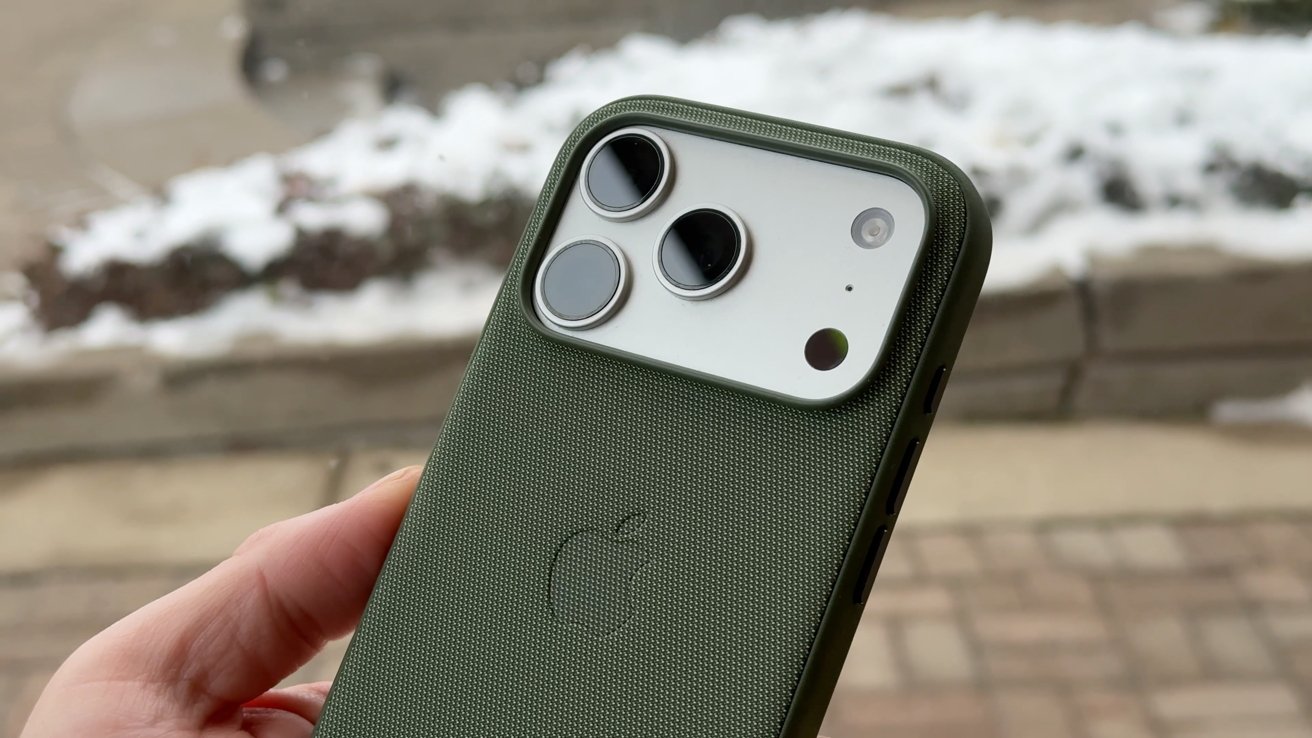
The concept of a variable aperture in a smartphone, like the rumored one for the iPhone 18 Pro, stems from a simple yet profound idea: granting the camera lens the ability to adjust its opening size. Unlike traditional fixed apertures in most current smartphones, variable apertures offer a dynamic approach to photography. This technology allows smartphones to mimic functionalities that have traditionally been reserved for professional cameras, giving users greater flexibility and control over their shots.
At its core, a variable aperture changes how much light enters the camera sensor, adapting to the conditions in which you’re shooting. Imagine being on a bright sunny day; the aperture can close slightly to reduce the light intake, preventing your images from looking washed out and retaining the subtle details of both shadow and highlight. Conversely, in dim or challenging lighting conditions, a wider aperture can collect more light, enhancing the clarity and brightness of your photos without increasing noise.
Addressing reader concerns, you might wonder how this impacts your user experience or if it complicates your familiar routine with your phone camera. Rest assured, the aim of integrating variable aperture is to simplify, not complicate. Through intuitive design and software automation, the iPhone 18 Pro would likely handle most adjustments seamlessly, allowing the average user to snap stunning images with ease, while still providing manual controls for those who wish to experiment creatively.
With this technological advancement, Apple positions itself at the forefront of mobile photography innovation. By empowering users with a more versatile tool, your photographic journey can become more expressive and responsive to the world around you, capturing moments just as your eyes perceive them. It’s exciting to think about the possibilities that a variable aperture could unlock—not just for photography enthusiasts, but for anyone who simply loves to capture and share life’s moments.
The impact of a variable aperture on low-light photography stands as one of the most anticipated features in the rumored iPhone 18 Pro. For those passionate about photography, capturing high-quality images in poor lighting has often been a hurdle. Traditional smartphone cameras struggle with low-light environments, often resulting in images that are either noisy or too dark. However, a variable aperture system could revolutionize this experience, offering a solution that so many smartphone users have been eagerly awaiting.
Imagine being at a dimly-lit concert or during an atmospheric evening gathering where the ambient lighting barely suffices. With a wider aperture, the iPhone 18 Pro can gather significantly more light, leading to brighter, more vibrant pictures. This means you could capture the essence and mood of an event without the flash, which often washes out images and can be disruptive. Instead, your photos will reflect natural illumination, ensuring that shadows fall artistically while finer details are preserved.
This isn’t just about technical brilliance but about capturing memories that are as vivid as the moment itself. We all know the frustration of trying to document a beautiful night sky or a candlelit dinner with less-than-stellar results. A smartphone equipped with a variable aperture could change those disappointing outcomes into stunning visuals, allowing you to focus more on enjoying the moment rather than worrying about whether your photos will turn out well.
Moreover, the combination of a variable aperture with Apple’s existing computational photography capabilities could offer even more improved noise reduction and detail enhancement. For users who may feel apprehensive about navigating new features, Apple is renowned for its intuitive software, likely ensuring that these advances integrate smoothly into your existing photography habits, offering automated settings while also empowering those who seek to take manual control.
Ultimately, what this technology promises is not just an enhancement in how we capture and share our experiences but a transformation in the way we perceive our ability to photograph in challenging environments. It brings professional-grade capability into the palm of your hand—democratizing photography by offering everyone, regardless of experience level, the opportunity to create stunning images in any lighting condition. Be excited, because this could be the beginning of a new era where your night-time photos rival those taken in the daylight.
The potential for enhanced depth of field in the iPhone 18 Pro due to its rumored variable aperture feature is stirring excitement among photography enthusiasts and casual users alike. In the world of photography, depth of field is a critical factor—it determines which parts of an image are sharp and which are elegantly blurred, creating a separation between the subject and the background.
With a variable aperture, users can achieve a shallow depth of field, a coveted effect that brings a subject into focus while artfully blurring the background. This effect, often characterized by soft, creamy bokeh, is especially popular in portrait photography and can add an artistic touch to any image. Imagine capturing a portrait of a loved one against a busy backdrop; the variable aperture allows you to emphasize their features while the background becomes a subtle blur, drawing the viewer’s eye directly to the subject.
However, for those who might feel intimidated by the technical terminology or worry about the complexity of depth of field adjustments, it’s important to note that Apple’s design philosophy generally revolves around user-friendly innovation. This means the variable aperture and its depth of field enhancement are likely to be integrated into the iPhone 18 Pro in such a way that both tech-savvy photographers and casual users can easily take advantage of these features. With intuitive software and automation, users can expect a seamless experience in which the camera intelligently selects the best settings, while still offering manual options for those who wish to experiment and learn.
For photographers who enjoy experimenting, the ability to manually adjust the aperture opens up worlds of creative possibilities. You can explore different styles and artistic expressions, fully utilizing the capabilities of a tool that most of us carry every day. Moreover, for budding photographers, this feature provides an opportunity to learn and hone skills that were once only possible with dedicated cameras. It’s invigorating to think that with just a few taps and adjustments on the screen, your smartphone could produce results similar to photography equipment once reserved for professionals.
This advancement is not just about adding another feature to a smartphone; it’s about changing the way we perceive and employ mobile photography. The emotional connection to a photo, the thrill of capturing a moment the way you envision it—these are what truly make the lens of a variable aperture compelling. It’s about empowerment through technology, encouraging you to see the world as a canvas where every captured moment is a stroke of artistic vision. The iPhone 18 Pro is shaping up to be more than just a smartphone; it’s a gateway to endless creative potential.
Despite the promising enhancements a variable aperture might bring to the iPhone 18 Pro, there are notable challenges and considerations to be mindful of. It’s not uncommon to feel a mix of curiosity and concern when faced with new technology, especially when it involves changes to something as widely used as smartphone photography.
One of the primary concerns revolves around the complexity of the variable aperture mechanism itself. Integrating a system that allows for physical adjustments within the compact frame of a smartphone could lead to increased manufacturing costs. This might reflect in the final price of the device, which could be a significant consideration for potential buyers who are budget-conscious but eager for new features.
Moreover, reliability is another critical factor to consider. Moving parts within a smartphone introduce the potential for mechanical failures over time. Although Apple is known for its meticulous engineering, the durability of such a mechanism in everyday use could raise questions about long-term performance and maintenance requirements. Users who are considering investing in the iPhone 18 Pro might wonder how this innovation would stand up to regular wear and tear, especially if the device is used in active or rugged environments.
Beyond the hardware challenges, user experience is an area that warrants attention. Existing users accustomed to the simplicity of point-and-shoot photography might feel apprehensive about the added complexity that manual aperture adjustments bring. Apple prides itself on creating intuitive user experiences, so it’s plausible that they will implement software solutions that make these changes feel seamless. Nevertheless, there’s a learning curve that some users may find daunting. It’s essential to communicate clearly how these features enhance everyday photography while offering guidance and support for those willing to explore beyond automatic settings.
For photographers excited by the possibilities, embracing these challenges means embarking on a learning journey. Apple’s likely focus on education and user support could help ease transitions, providing tutorials, tips, and community engagement to demystify the feature. As the technology matures and user feedback is incorporated, future iterations should become even more refined and user-friendly.
Ultimately, these challenges are part of the growing pains of innovation. They represent opportunities for Apple to refine and perfect a feature that could revolutionize mobile photography. As consumers, expressing concerns is part of ensuring that tech giants continue to prioritize quality, usability, and value. By doing so, you actively contribute to shaping the technology landscape, ensuring that it evolves in ways that enhance your experience and meet your needs. Embrace this exciting evolution, armed with understanding and readiness for the journey ahead. The future of photography holds immense potential, and being part of its unfolding story is both a privilege and an adventure.
Examining how the iPhone 18 Pro’s rumored variable aperture stacks up against its predecessors offers intriguing insights into the evolution of smartphone photography. With Apple consistently pushing the envelope of technological advancements, each new model builds on a foundation of innovation and user feedback. As smartphone photography has gained immense popularity, users have demanded better low-light performance, more artistic depth of field, and improved overall photo quality—areas where previous models have seen noteworthy improvements over time.
The journey starts with models like the iPhone 14 Pro and iPhone 15 Pro, where fixed apertures were common, offering stable but limited solutions for various photography needs. These devices still wowed users with impressive features such as computational photography capabilities and Night Mode. However, the fixed aperture restricted flexibility, often requiring users to rely heavily on software enhancements to achieve desired effects. This reliance sometimes resulted in less organic images, as software occasionally struggled to replicate the nuanced outcomes physical hardware alterations could provide.
Stepping up, the iPhone 16 Pro introduced subtle enhancements in lens quality and improved image stabilization. These changes aimed to refine photo clarity and steadiness, especially useful in low-light situations. Yet, the aperture remained unchanged, meaning exposure and depth effects relied primarily on software. While these improvements were commendable, they left room for growth, particularly in emulating professional camera functions.
The introduction of the iPhone 18 Pro with its potential variable aperture marks a significant divergence from this path. By allowing the camera’s physical aperture to adjust, users can now capture images that are more true to life directly through hardware, thus reducing the need for extensive post-processing. This not only brings the smartphone closer to functioning like a traditional camera but also democratizes photography skills by making professional-grade outcomes more accessible.
The comparison with prior models emphasizes how each iteration of the iPhone has progressively chipped away at the limitations of smartphone photography. With the variable aperture potentially sidestepping the constraints of fixed apertures, expect an elevation in both casual captures and professional outcomes. It’s a genuine leap forward that promises to set new standards within the industry, offering an exciting prospect for both long-standing Apple aficionados and newcomers curious about the iPhone’s photographic prowess.
For those fond of reminiscing over past models and their incremental but impactful advancements, the iPhone 18 Pro’s rumored feature feels like a culmination—a testament to continuous innovation driven by user aspirations. It’s a blend of listening to community desires while harnessing engineering expertise to deliver a device that could redefine what we expect from pocket-sized photography tools. The iPhone 18 Pro doesn’t just want to stand out compared to its predecessors; it aims to be the benchmark against which future smartphones will be measured. For related coverage, see our Apple Vision Pro revolutionizes filmmaking.
