

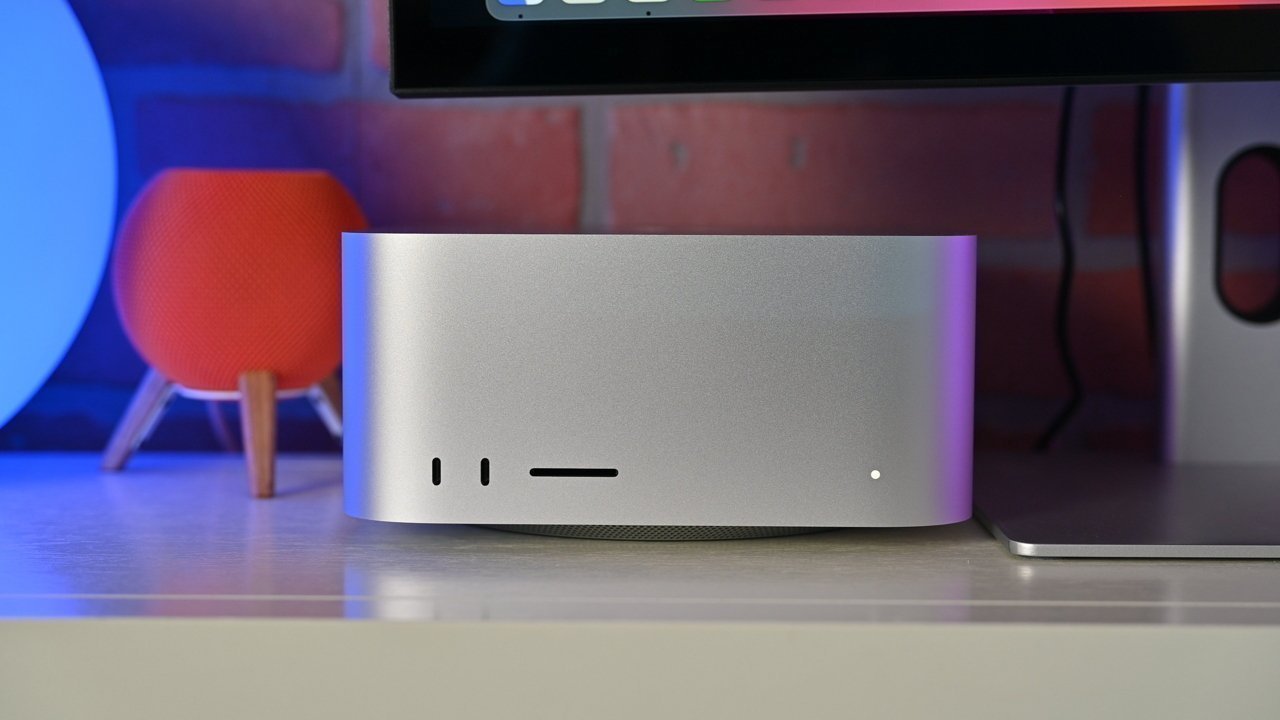
Apple has pulled even more higher-end configurations of its Mac Studio and Mac mini, removing some of the most expensive memory options as the entire industry deals with the RAM crisis.
The ongoing memory supply problem has claimed another victim from Apple’s roster. After the removal of the 512GB RAM option for the Mac Studio in March, Apple has slimmed down its product options a bit more, as component costs bite.
This time, it’s not just the Mac Studio that’s being hit. The Mac mini is also affected by the memory downgrade.
Prospective buyers of the M3 Ultra version of Mac Studio previously could buy the model with either 96GB or 256GB memory. However, as spotted by @BasicAppleGuy on X, potential shoppers selecting the model will no longer see the 256GB option, only the 96GB.
During April, it was found that the M3 Ultra Mac Studio with 256GB was “unavailable,” while the 96GB version had a lengthy lead time. There was also a similar issue for the M4 Max version, which listed the 128GB capacity as unavailable.
Checks reveal that the 128GB option is also not listed at all for the M4 Max Mac Studio either.
At the same time, anyone looking at the Mac mini with one of the M4 Pro chips will see slim pickings when it comes to memory. Previously, it had an option for 64GB of unified memory, but that too has disappeared, leaving 24GB and 48GB options.
This is the second configuration change for the Mac mini in May alone. Earlier in the month, it removed the option for the $599 256GB capacity M4 model.
Instead, consumers wanting the cheapest desktop Mac model will have to pay at least $799 for the M4 Mac mini with 16GB of memory and an increased 512GB of storage.
The shift in available configurations for the Mac Studio and Mac mini has noticeably narrowed choices for consumers. Those eyeing the Mac Studio will encounter limited options particularly concerning memory configurations. Where once there was flexibility, with offerings such as the 256GB option for the M3 Ultra version, enthusiasts now must adjust their expectations and plans, considering only a 96GB alternative. This will likely be felt keenly among those whose demanding workflows rely heavily on copious amounts of RAM.
Similarly, the Mac mini, once a beacon of diverse configurations, now presents fewer choices in terms of memory. For instance, the M4 Pro version no longer offers the once-available 64GB of unified memory, pushing users to settle for the remaining 24GB and 48GB options. This constraint burdens those who might have depended on these configurations for their professional or personal projects, adjusting their setups and expectations to fit the revised lineup.
Aside from memory, storage options have also evolved. With the removal of the 256GB capacity option for the M4 Mac mini, buyers now face a minimum price threshold and a configuration of 16GB memory coupled with 512GB storage, demanding a more significant investment upfront. This adjustment could be disheartening to students, young professionals, or newcomers drawn to Apple’s entry-level models but who are constrained by budget.
These specific changes have certainly caused a ripple of concern and possibly frustration among Apple’s dedicated user base who value customization and choice. Yet, in a market governed by rapid technological advances and global supply challenges, Apple’s strategic shifts are not entirely unforeseen.
As Apple navigates through the current challenges posed by rising component costs, several strategies have come to light. One of the most visible responses has been the adjustment of configurations available across the Mac mini and Mac Studio product lines. By focusing on fewer variations, Apple aims to streamline its production processes, potentially leading to cost savings that can offset some of the increased expenses incurred with more expensive components such as RAM.
In practice, this means users are presented with fewer choices but are directed towards configurations that leverage the latest advancements in processing technology. This strategic shift isn’t just about cutting costs, as it might appear on the surface, but also about aligning with a broader industry trend of emphasizing performance over a multitude of customization options.
Within this context, Apple is ensuring that the available models provide significant power and capability, focusing on their latest M2 and future M3 chips. This approach may lead to better performance for high-demand tasks, aligning with the expectations of professionals looking for reliable high-end computing power in their workflows.
From a market perspective, Apple must balance consumer satisfaction against financial realities. By trimming down their product spectrum, they may also be able to enhance the overall quality and reliability of the products on offer. This focus on efficiency and performance suggests a move towards what Apple sees as the configurations that most closely meet the needs of today’s tech landscape.
The decision also hints at Apple’s long-term strategy of promoting its own chip technology, moving away from dependence on external component suppliers, and reinforcing the value proposition of its unique silicon architecture. Despite the potential initial discontent among some longtime users who cherish customization, Apple’s shift could well position the brand favorably as efficiency and innovation continue to spearhead the industry’s evolution.
Looking ahead, consumers are met with a mixed bag of prospects as Apple navigates through this particularly challenging period. The reduction in configurations, while initially jarring, might prove advantageous as it reflects a calculated, albeit conservative, embrace of technology that prioritizes performance and regularity over sheer diversity.
For long-term users, Apple’s refocusing on streamlined, high-performance configurations signals a shift towards efficiency—both in production and in operation. Professionals who count on Apple for cutting-edge technology might find solace in the fact that the configurations now being offered are thoroughly optimized for most tasks, pushing the boundaries of what the standard setup can achieve.
Yet, this transformation comes with its own set of implications. Consumers who prefer a personalized device tailored precisely to their specifications might need to recalibrate their expectations. This change could challenge creativity for those used to a more bespoke ecosystem. Nonetheless, it’s important to recognize that Apple is not standing idle amidst these monumental shifts. Instead, they’re proactively realigning with industry trends, which could foster a more resilient and innovative future for its consumers.
As the tech giant moves forward, there’s substantial anticipation around how the upcoming releases will unfold. Users are left wondering whether Apple’s strategy, emphasizing its proprietary chip advancements, will sustain and propel the brand into new heights of innovation and satisfaction. While some concerns about customization limitations and price increases linger, the commitment to delivering efficient, high-performing devices showcases one aspect of Apple’s enduring appeal.
In this climate of transformation, consumers who trust in Apple’s vision might continue to appreciate the coherence and reliability traditionally associated with the brand. Apple’s strategy suggests that while not every niche need can be met, the broader community might find renewed value and justification in choosing performance-driven options coupled with cutting-edge design.
In sum, Apple’s journey through the memory supply crunch paints a hopeful yet cautious picture. Somehow, amid constraints, they persist in shaping a landscape centered on innovation and performance, echoing a commitment to leading the industry while navigating the multifaceted dynamics of modern technological demand. For related coverage, see our Choosing the right HomePod for your space. For related coverage, see our Limited upgradability of the new Mac Mini’s SSD.
